How to manage your allergy through diet


Why does your immune system overreact?
Allergies are simply an excessive immune response to certain triggers. Symptoms range from mild skin irritation to serious complications. But have you ever wondered what might be at the root of this reaction? This article explains how diet can be an effective tool for balancing your immune system and reducing allergy symptoms.
Immune overload: the core problem
Our immune system is like a well-organised army fighting viruses, bacteria and other outside threats. Sometimes, though, this “army” becomes overzealous, triggering allergies and other immune responses. What overloads our immune system?
- Poor diet: a diet rich in inflammatory foods can be a trigger.
- Nutrient deficiencies: a lack of essential vitamins and minerals can throw our immune system off balance.
- Emotions and stress: poorly managed emotions can contribute to an exaggerated immune response.
How diet can calm an overactive immune system
Avoid inflammatory foods
The first step towards a balanced immune system is avoiding foods that can cause inflammation. These include:
- Whole grains
- Pulses
- Some vegetables
Increase your intake of essential nutrients
Some nutrients are key to a well-functioning immune system:
- Vitamin A
- Vitamin D
- Arachidonic acid
- EPA and DHA
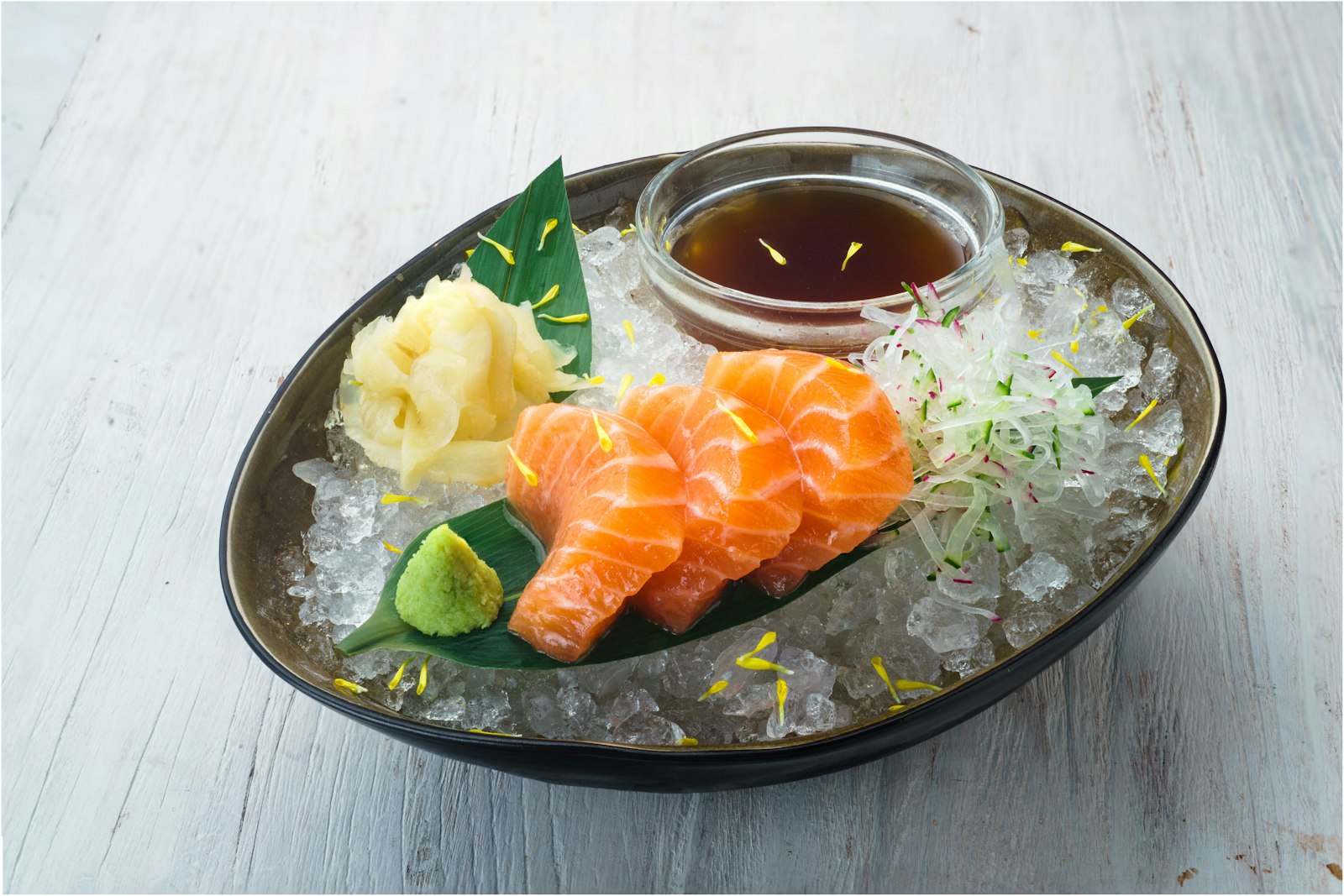
Include these nutrients in your diet through foods such as oily fish and eggs.
Add polyphenols
Polyphenols have antioxidant and anti-inflammatory properties. They're found in:
- Fruit
- Vegetables
- Tea
At a glance
If you're dealing with allergies or an overactive immune system, changing your diet can be an essential step towards feeling better. Always speak to a health professional before making significant changes to your diet, especially if you have existing medical conditions or known food allergies.
This article is for general information and does not replace an individual assessment by a healthcare professional. If you have a medical diagnosis or treatment, speak to your doctor before making any changes.
Physiotherapist, PNI and nutrition specialist. Director of Evolutive Clinic.